
The economic consequences of the latest escalation in the Iran war are being felt far beyond the battlefield. Israel’s strike on Iran’s South Pars gas field and the subsequent Iranian retaliation against regional energy infrastructure have sent global energy prices climbing and placed new strain on the economies of Gulf states that depend on stable regional conditions. The episode has also exposed the cost of imperfect coordination between the United States and Israel — a cost that extends well beyond military strategy.
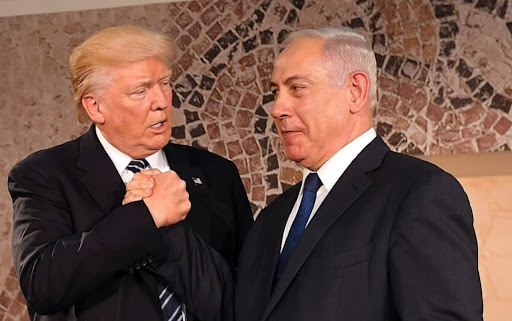
US President Donald Trump said publicly he had warned Israeli Prime Minister Benjamin Netanyahu against the South Pars attack. The fact that it happened anyway — and triggered the Iranian response it triggered — underscored the limits of American influence over Israeli military decisions in real time. Gulf nations, facing economic disruption from the energy price spike, turned to Washington with urgent requests for tighter oversight. Their concern was clear: Israeli military choices were having direct consequences for their economies.
Netanyahu confirmed Israel acted alone but agreed not to repeat the move. He defended the broader alliance in enthusiastic terms, describing Trump as the undisputed leader of the campaign. The reassurances were accepted publicly, but the economic damage from the strike and retaliation had already been done — and the question of who would bear that cost remained unanswered.
US officials stressed the resilience of the alliance while acknowledging that American strategy is guided by American interests. Reports of US prior knowledge of the attack added a layer of complexity to the official narrative. The contradiction between Trump’s claimed ignorance and the reported facts raised questions about accountability and transparency in how the two governments manage their shared campaign.
The economic dimension of the conflict is increasingly becoming a strategic factor in its own right. Rising energy prices affect global economies, influence political dynamics in allied countries, and create pressure on both Washington and Jerusalem to show restraint. As long as Trump and Netanyahu pursue different definitions of victory — nuclear containment versus regional transformation — the risk of economically costly unilateral escalations will remain high.