
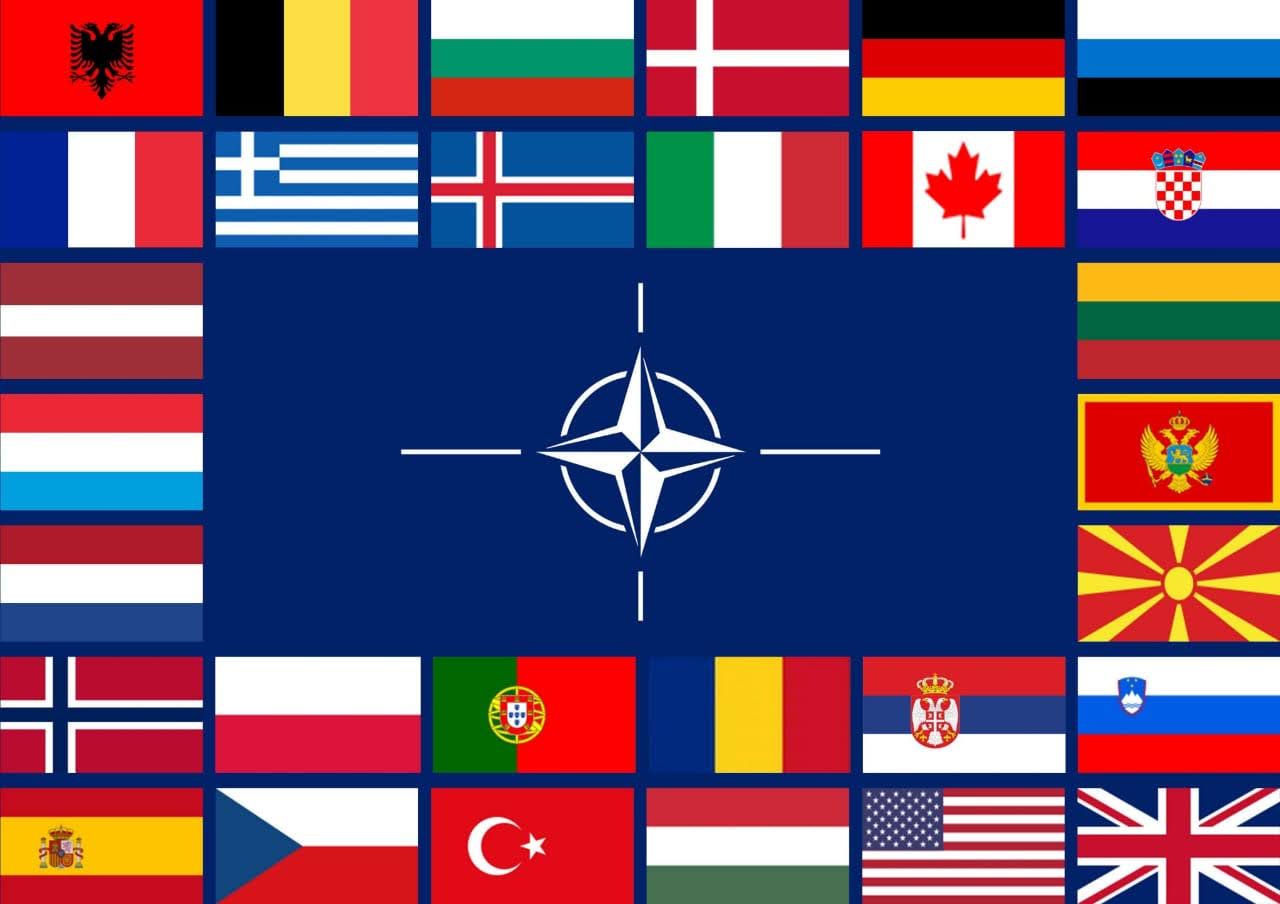
NATO leaders are expected to agree on a new, ambitious five percent of GDP defense spending target, outlining a long-term vision for enhanced security. However, the path to achieving this vision is already encountering immediate obstacles, as Spain has secured an exclusion from the full commitment, and President Donald Trump insists the US should be exempt, complicating a unified approach.
The five percent goal is distinctly divided: 3.5 percent is earmarked for core defense spending, a significant increase from the current two percent benchmark, and the remaining 1.5 percent is allocated for broader security enhancements, including upgrading military infrastructure, establishing measures to counter cyber and hybrid attacks, and preparing societies for future conflicts.
Spain’s Prime Minister, Pedro Sánchez, confirmed his country’s special arrangement, revealing that the forthcoming NATO summit communique will omit the phrase “all allies” when referencing the new spending target. This could set a precedent for other members, such as Belgium and France, to seek similar concessions, potentially diluting the overall impact. Trump’s continued criticism of allied contributions and his branding of Canada as a “low payer” further highlight the internal tensions.
The rationale for this substantial increase in defense outlays is clear: a deepening concern among European leaders about Russia’s aggressive posture and its perceived threat to the continent’s security. NATO experts project that comprehensive defense plans against a Russian attack necessitate investments of at least three percent of GDP. While a 2032 deadline has been proposed for achieving the five percent target, the debate over its achievability and the overall timeline for implementation continues.