
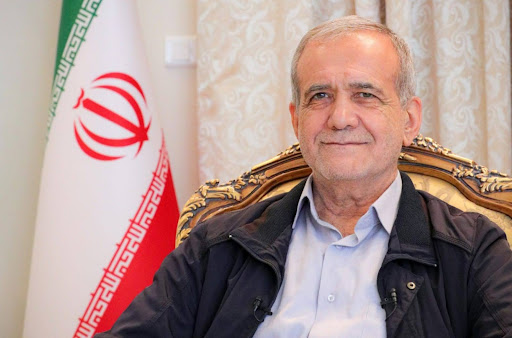
Iranian President Masoud Pezeshkian has offered Gulf nations a way out of the war, provided they stop enabling US and Israeli military operations against Iran. The message, delivered as the conflict entered its second month, balances a clear military warning with a practical diplomatic off-ramp. Tehran appears to be offering Gulf governments a face-saving path to reducing their involvement in the conflict.
Gulf nations including Saudi Arabia, the UAE, Kuwait, Qatar, and Oman have been drawn into the war through the US military presence on their soil. American forces have used bases in these countries to attack Iran, which has responded with strikes on those host nations. The cycle has taken a real toll on Gulf infrastructure, economies, and political stability.
Pezeshkian posted on X to communicate Iran’s firm position: no preemptive attacks, but guaranteed retaliation for strikes on Iranian infrastructure or economic sites. He offered Gulf leaders a clear alternative, stating that refusing to allow enemies to direct the war from their territory would restore the prospect of development and security to their nations. The appeal was both a warning and a practical offer.
Pakistan has taken a proactive stance in the peace effort, with Prime Minister Shehbaz Sharif serving as a diplomatic bridge between Iran and other regional actors. Sharif’s meeting with Pezeshkian revealed that Iran sees the establishment of trust as the first step toward formal talks. Pakistan’s mediation has been praised by Tehran, enhancing Islamabad’s standing as a credible neutral party.
A significant diplomatic gathering in Pakistan is underway, with foreign ministers from Saudi Arabia, Egypt, and Turkey attending. Their discussions with Pakistani Foreign Minister Ishaq Dar and Prime Minister Sharif are focused on finding practical pathways to de-escalation. The talks represent one of the more promising diplomatic developments in the search for an end to the conflict.