
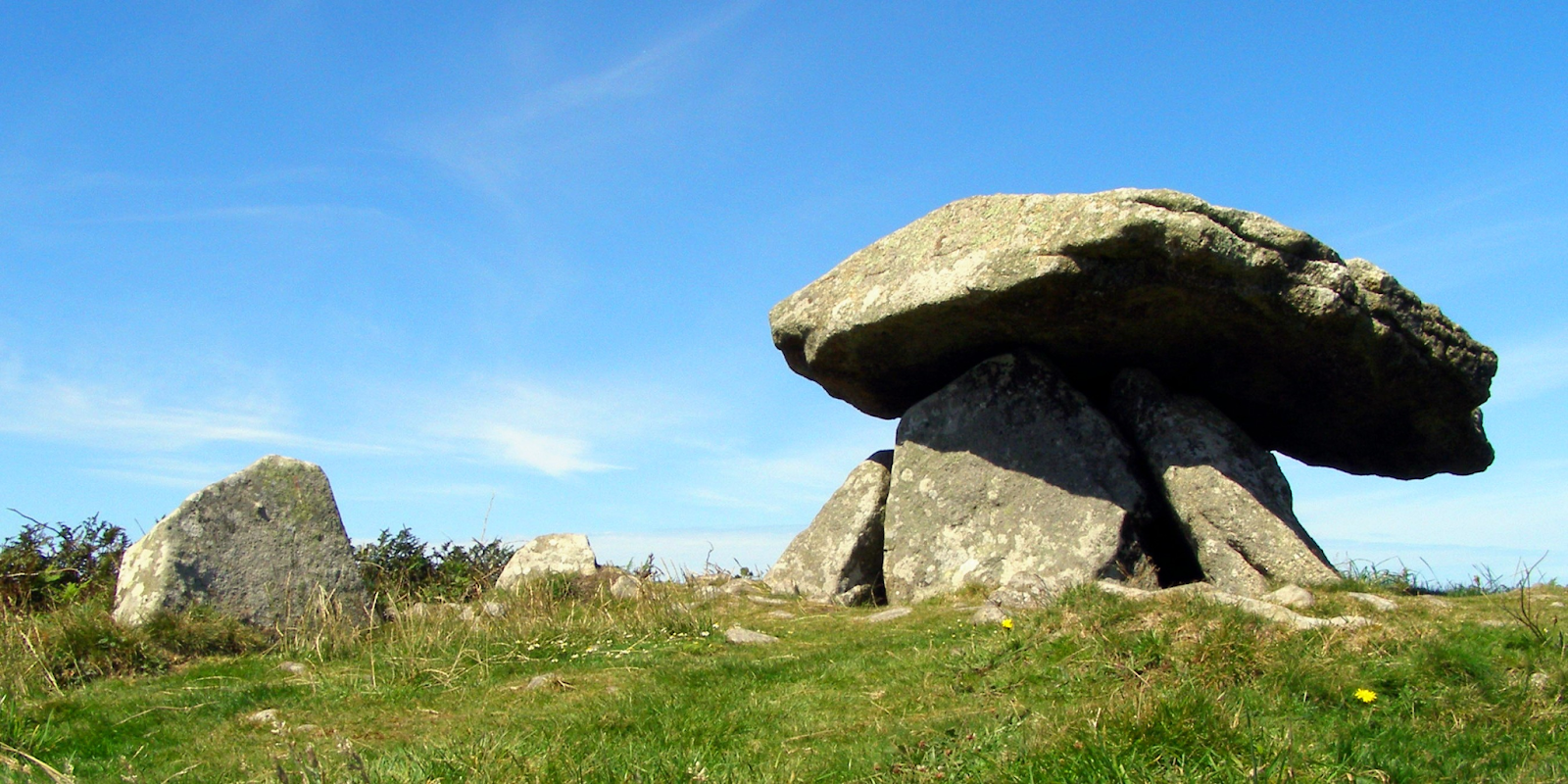
Visiting Cornwall’s ancient monuments during winter solstice creates temporal experiences that transcend ordinary historical tourism. These aren’t passive museum exhibits but functional astronomical instruments that continue performing their original purposes. Witnessing solar alignments at sites like Chûn Quoit or Tregeseal circle allows contemporary observers to share perceptual experiences with Neolithic ancestors, creating moments when four thousand years of separation momentarily dissolve.
The time-travel effect intensifies through multiple sensory channels. Visual observation of the sun setting precisely over Carn Kenidjack from Chûn Quoit’s position creates immediate connection with prehistoric viewers who designed this alignment. The cold wind sweeping across exposed moorland affects contemporary visitors exactly as it touched ancient observers. The granite stones feel identical to how they appeared four millennia ago, their weathered surfaces providing tactile continuity across time.
Atmospheric conditions enhance these temporal experiences. Winter twilight transforms the moorlands into landscapes of shadow and luminosity where granite monuments glow against darkening skies. The quality of light at winter solstice—low-angle illumination creating extended shadows and enhanced contrast—remains unchanged from prehistoric times. These atmospheric effects help contemporary observers understand how seasonal transitions affected human consciousness before artificial lighting diminished darkness’s psychological impact.
The astronomical phenomena themselves provide the most profound time-travel mechanism. The sun’s position along the horizon during winter solstice follows identical patterns to those tracked by Neolithic communities. Celestial mechanics haven’t changed, ensuring that contemporary observers witness exactly the same astronomical events that structured prehistoric calendars and cosmological beliefs.
Guided walks led by archaeologists like Carolyn Kennett add intellectual frameworks to experiential time travel. Understanding how monuments functioned within prehistoric knowledge systems enhances appreciation for what alignments represent. Learning about Neolithic cosmological beliefs provides context for why communities invested substantial resources in creating permanent astronomical observation points.
The Montol festival extends time-travel experiences through revival of traditional customs. While specific forms evolved, fundamental practices—community gathering, ritual acknowledgment of seasonal transitions, use of fire and music—maintain continuity with ancient observances. Participating in these celebrations allows experiencing how collective ritual creates shared meanings around astronomical events. The combination of functional monuments, unchanged celestial patterns, and living traditions makes Cornwall’s stone circles effective time machines that transport visitors not just intellectually but experientially into connections with prehistoric communities who watched the same skies and marked the same seasonal turning points.