
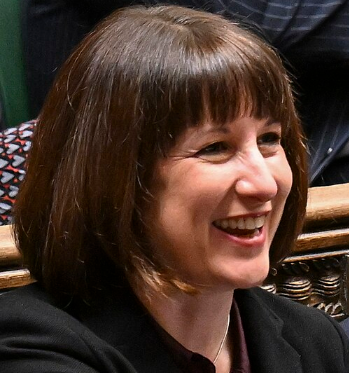
The additional cost the UK pays to borrow compared with other major economies may finally be easing as financial markets show increasing confidence in the government’s fiscal direction, according to new analysis from the Institute for Public Policy Research (IPPR).
The thinktank said Chancellor Rachel Reeves’s autumn budget — which expanded the UK’s fiscal headroom from £9.9bn to £22bn by 2030 — has helped reassure bond markets after years of doubts over the country’s fiscal credibility. For several years, UK gilt yields have been consistently higher than those of the US and eurozone, despite the UK having stronger economic fundamentals, including a lower debt-to-GDP ratio than both nations.
IPPR noted that the UK’s credibility problem stems from inconsistent fiscal policy, citing the 2022 mini-budget and years of shifting fiscal rules under multiple chancellors. This lack of trust led to UK gilt yields rising 0.4 to 0.8 percentage points more than major peers after the 2024 election, increasing annual taxpayer costs by up to £7bn.
However, following the autumn budget, the premium on UK borrowing relative to the eurozone has nearly halved, signaling improved market confidence. IPPR economists said maintaining current fiscal discipline could save the government billions in interest payments in the years ahead.
The thinktank also urged the Bank of England to pause its rapid sale of government bonds, arguing that slowing these sales — in line with the approach of other major central banks — would help ease unnecessary pressure on borrowing costs.