
Microsoft’s new artificial intelligence system has successfully transformed diagnostic challenges into solutions, achieving over 80% accuracy on complex case studies from the New England Journal of Medicine (NEJM), far exceeding human doctors. This remarkable success creates a “path to medical superintelligence.”
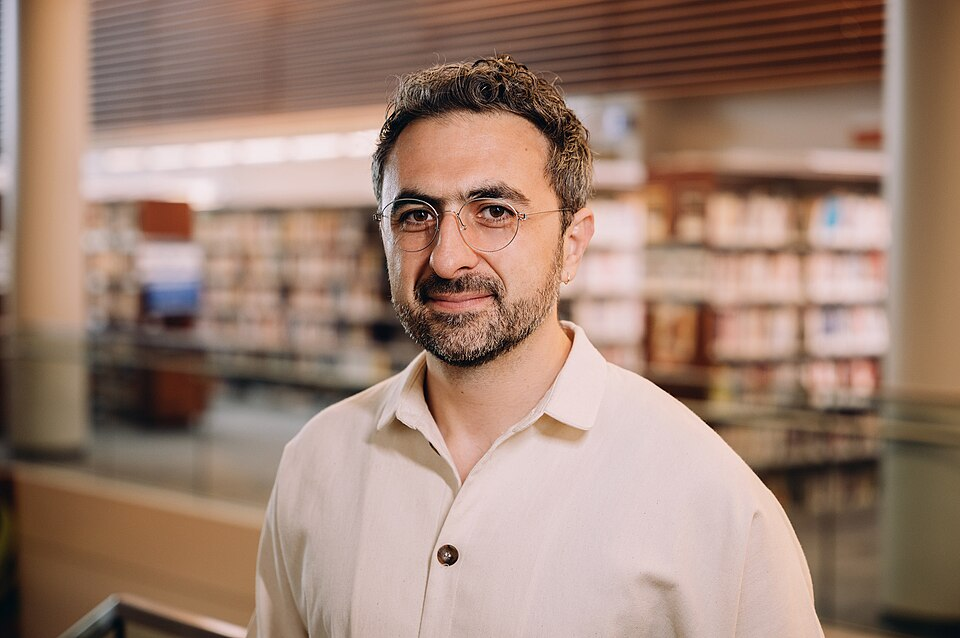
The system, developed by Microsoft’s AI unit under Mustafa Suleyman, imitates a panel of expert physicians tackling “diagnostically complex and intellectually demanding” cases. Its superior performance, especially when paired with OpenAI’s O3 AI model, underscores its capacity to process and interpret intricate medical data with unparalleled precision.
Beyond its diagnostic capabilities, Microsoft also highlights the AI’s efficiency in ordering tests, which could lead to substantial cost reductions in healthcare systems. Despite the ambitious “superintelligence” claim, Microsoft is keen to stress that AI will serve as a powerful complement to doctors, enabling them to focus on crucial human aspects of patient care.
The research’s unique approach involved transforming over 300 NEJM case studies into “interactive case challenges,” allowing the AI to demonstrate its deep understanding and step-by-step reasoning, much like a real-world clinician. This methodical approach is key to its superior performance.