
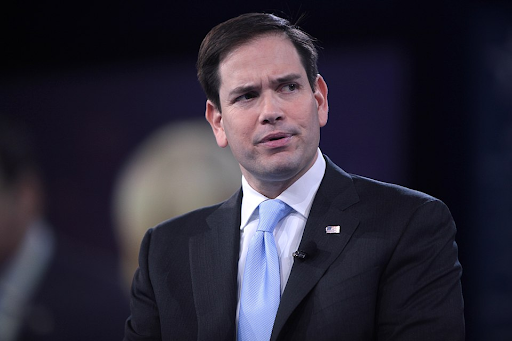
Secretary of State Marco Rubio provided detailed explanations of mechanisms designed to ensure Venezuela’s petroleum revenue funds legitimate government services rather than corruption during Senate testimony Wednesday. The framework represents unprecedented American financial oversight of another nation’s governmental operations.
The former Florida senator explained that Treasury-controlled accounts serve as gatekeepers preventing misuse of oil sales proceeds while ensuring essential services including law enforcement and healthcare receive adequate funding. Monthly budget submissions must demonstrate that proposed expenditures serve legitimate governmental functions before American officials authorize fund releases.
Rubio characterized this oversight as necessary given Venezuela’s history under Nicolas Maduro and Hugo Chavez, where national resources were systematically mismanaged through corruption, political patronage, and authoritarian consolidation. He suggested that strict financial controls provide assurance that interim authorities cannot replicate these patterns while claiming compliance with American demands.
Democrats questioned whether such extensive oversight respects Venezuelan sovereignty or constitutes colonial-style economic control. They challenged the arrangement’s implications for the interim government’s legitimacy and questioned whether monthly budget approvals effectively reduce Venezuela to American client status regardless of stated democratic objectives.
The hearing also addressed broader foreign policy questions including NATO alliance tensions, Greenland disputes, potential military action against Iran, and strategies for countering Chinese influence. Rubio defended the administration’s approach as balancing American interests with support for partner nations’ development.