
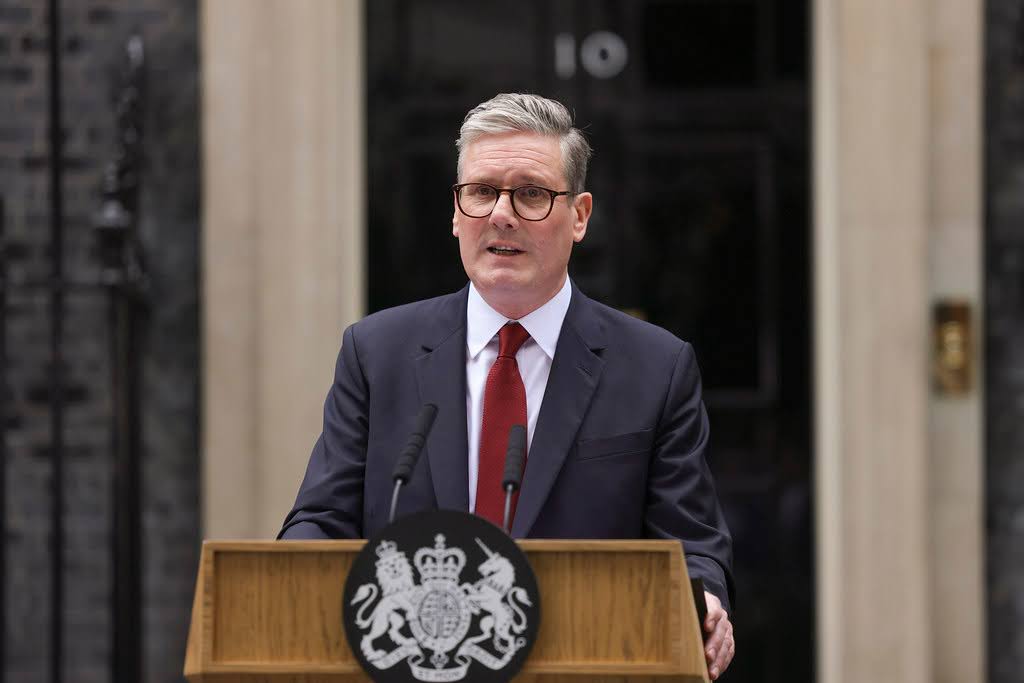
The UK government has announced a landmark commitment to spend 5% of its GDP on defence by 2035, marking one of the most significant national security investments in decades. The pledge, unveiled ahead of a pivotal NATO summit in The Hague, comes as Prime Minister Keir Starmer aims to solidify Britain’s position within the alliance and respond to escalating global threats.
The new defence strategy will allocate 3.5% of GDP to traditional military spending, while an additional 1.5% will be invested in broader national resilience. This includes cyber defence, energy security, infrastructure protection, and preparing for economic shocks. Officials have emphasized that the approach reflects the evolving nature of global security, where threats extend beyond conventional warfare.
Chancellor Rachel Reeves faced mounting pressure from Labour MPs and defence leaders to increase spending amid fears that the UK was trailing key NATO allies like Poland and Germany. While some critics argue that the headline figure merges existing Treasury allocations with new funds, Downing Street insists the plan demonstrates long-term seriousness and stability in defence policy.
The 2035 timeline trails the 2032 target proposed by NATO’s Secretary General Mark Rutte, but UK officials say the delay was necessary to ensure financial sustainability. Britain currently spends around 2.3% of GDP on defence, with a commitment to reach 2.5% by 2027–28 and a long-term aim of 3%.
As Starmer joins leaders in The Hague, he is expected to reaffirm the UK’s unwavering support for Ukraine and push for unity in deterring Russian aggression. The government will also release a national security strategy, including a review of relations with China, underlining a broader vision of economic and military resilience.