
President Trump’s bold announcement that American oil companies will invest billions in Venezuela has generated surprisingly little public support from industry leaders. Despite Trump’s enthusiastic descriptions of corporate readiness to rebuild Venezuelan oil infrastructure, major energy firms are maintaining deliberate silence or offering noncommittal responses.
At his Mar-a-Lago estate, Trump described an ambitious plan where America’s largest oil companies would enter Venezuela to repair “badly broken infrastructure,” modernize massive reserves, and restore production capacity. He suggested these firms would be reimbursed for their investments and would help Venezuela expand its international oil sales, though mechanisms remained unexplained.
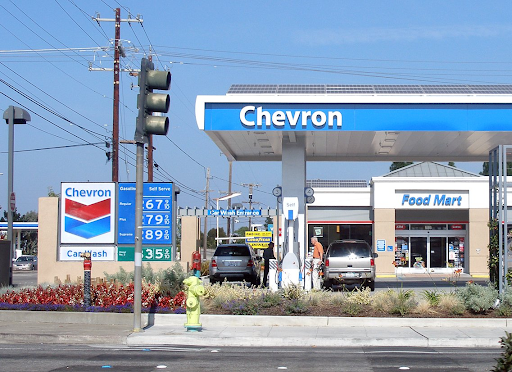
The energy sector’s reactions have been notably cautious. Chevron emphasized operational compliance and employee safety without addressing expansion plans. ExxonMobil provided no comment on Venezuelan prospects. ConocoPhillips explicitly warned against premature speculation about future activities, indicating these corporations aren’t prepared to publicly confirm Trump’s narrative.
Venezuela’s oil industry presents significant challenges alongside its opportunities. The country holds roughly 17% of global oil reserves, but decades of corruption, mismanagement, and underinvestment have devastated production from 3.5 million barrels daily in the 1970s to approximately 1 million today. Industry experts estimate reaching 2 million barrels daily by the early 2030s would demand about $110 billion.
Historical factors complicate corporate decision-making substantially. Venezuela’s 2007 nationalization of private operations prompted legal battles that eventually resulted in multibillion-dollar arbitration awards for ExxonMobil and ConocoPhillips—funds that remain mostly unpaid. Analysts suggest companies will demand strong stability guarantees before investing heavily, particularly given current oil market dynamics.